
New modelling suggests rapid antigen tests can hasten isolation for some confirmed COVID-19 cases as one of Australia's leading infectious disease experts calls for an end to seven-day minimums.
Former chief medical officer Nick Coatsworth says current isolation rules do more harm than good as Australians are increasingly taken out of the workforce.
"Even if there's a small amount of infectivity risk at day six or seven, if you are in a mask and are wearing it like doctors and nurses do, which is properly in a hospital setting, your risk of transmission is really low," Dr Coatsworth said.
Treasury data shows three million working days were lost in the first six months of this year due to virus illness and an estimated 31,000 workers around the nation were on sick leave each day in June.
Dr Coatsworth says under the circumstances, seven days of isolation is excessive and needs to be scrapped.
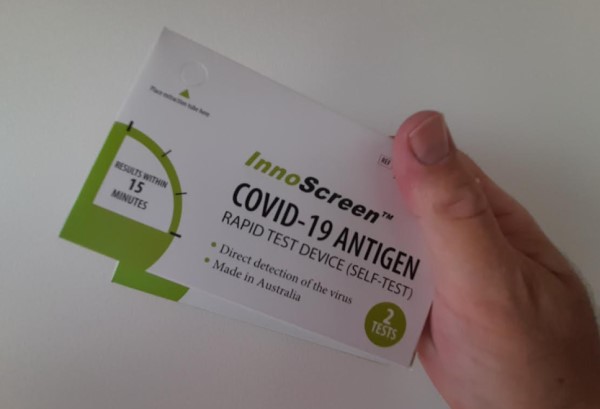
New Zealand research meanwhile shows using RATS as part of a "test-to-release" policy would shorten the minimum isolation period for confirmed cases.
"Rapid antigen tests are the best tool we have to tell if people are still infectious, so it is possible to tailor an isolation period to when people are infectious," according to Auckland University's Emily Harvey.
"Some people could leave isolation sooner than seven days, some people will need to isolate for longer."
A two-test-to-release policy would involve a minimum isolation period of five days and a maximum of 10.
Australia recorded a further 86 COVID-19 deaths on Saturday along with more than 11,000 new virus cases. Some 62 fatalities and 13,500 infections were announced on Friday.
The country still has over 127,000 active coronavirus cases, with more than 3000 patients in hospital care nationwide.
Images: Travis Winks